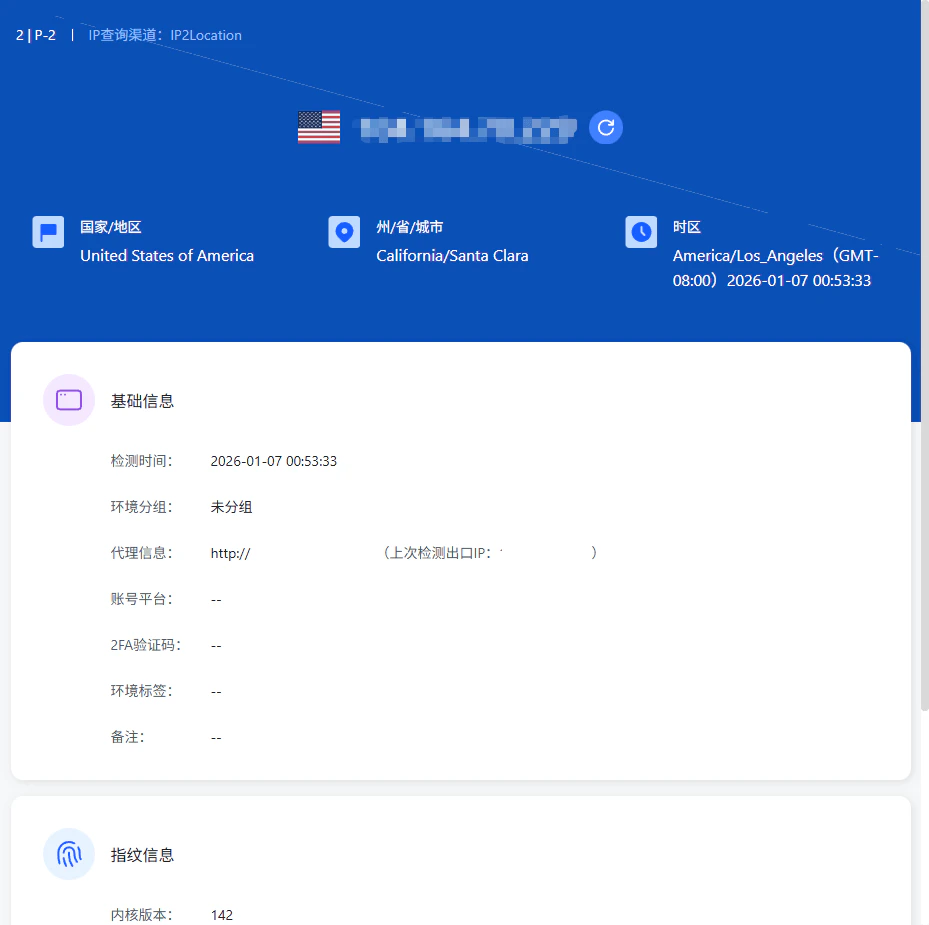
The usage method for dynamic residential IPs is the same as for static residential IPs
Step 1: Download and Install the VMLogin Client
Visit the VMLogin official website, register an account, download the client, complete the installation, and then launch the software.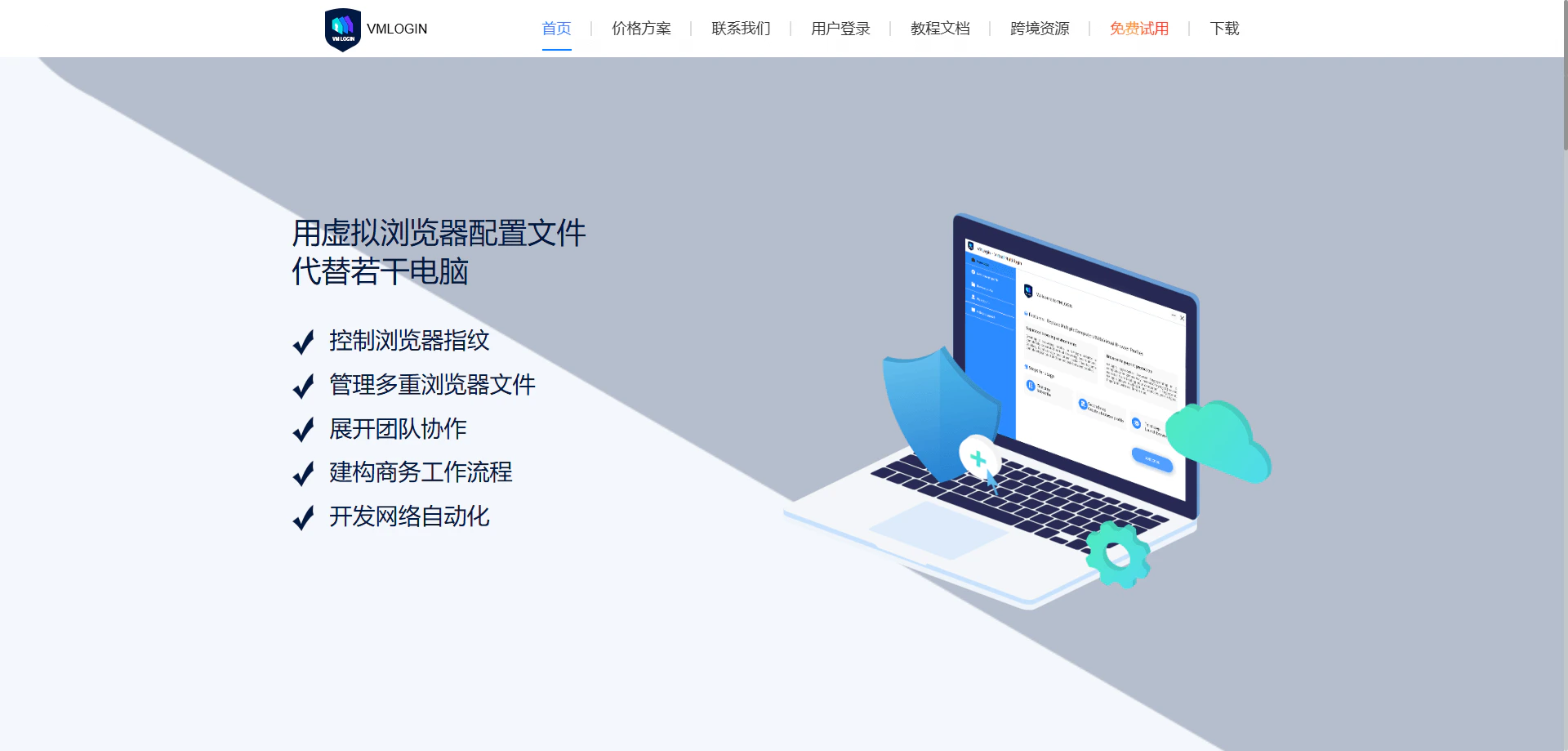
Step 2: Create a New Browser Profile
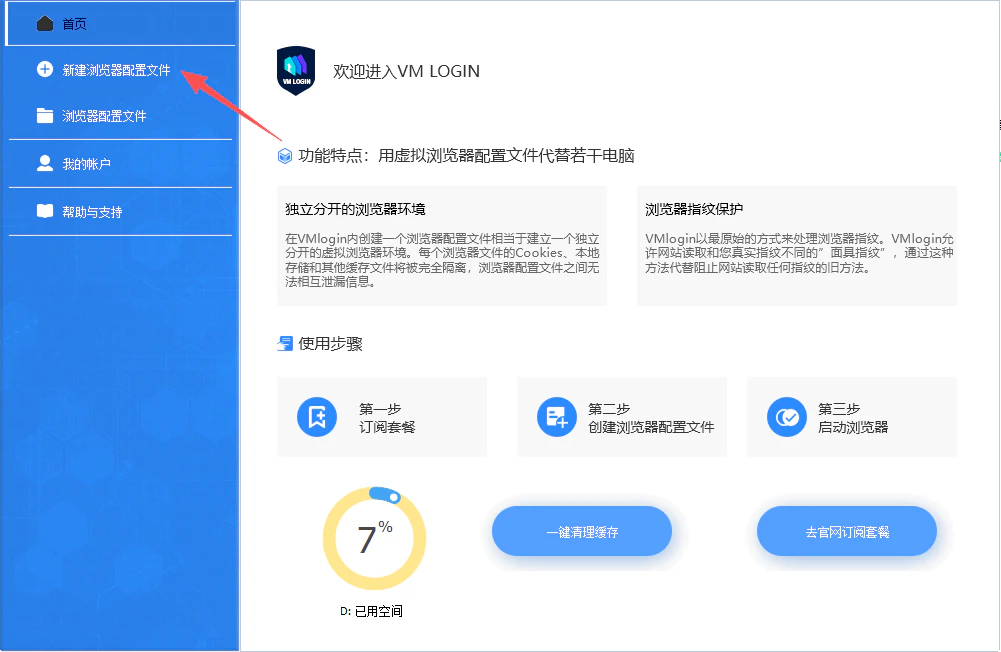
After opening the VMLogin client, click the “Create New Browser Profile” button at the bottom of the main interface to enter the configuration page.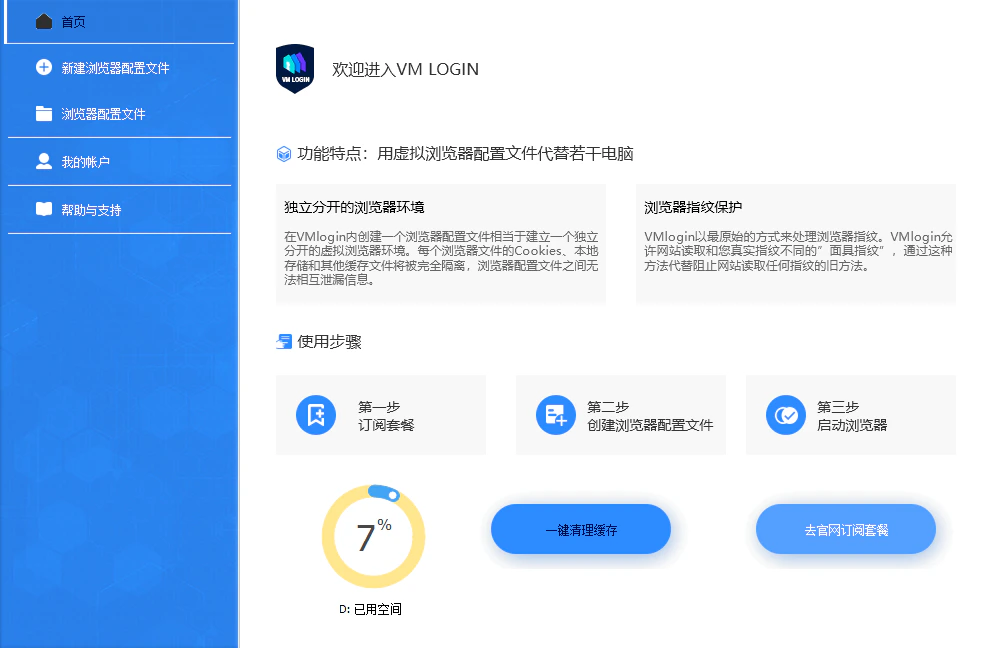
Step 3: Configure Basic Browser Information
In the pop-up configuration window, fill in the basic information for the browser profile, such as name, remarks, and group.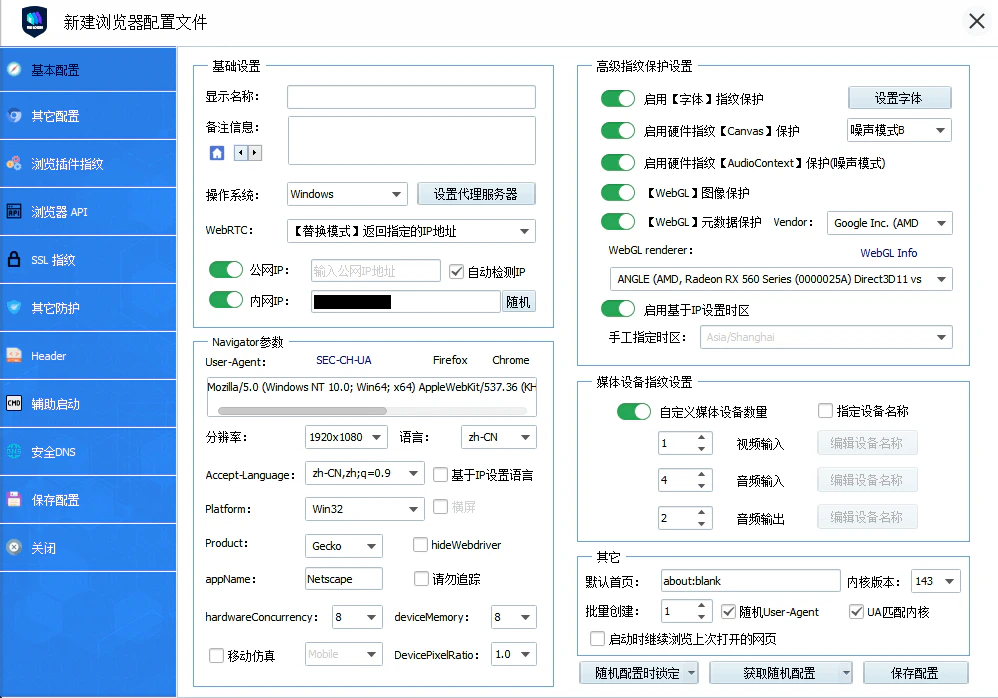
Step 4: Enable Proxy and Select Proxy Type
On the configuration page, locate the “Proxy Server” section, check “Enable Proxy Server”, and then select the appropriate proxy protocol. Note: Ip2up currently supports HTTP and SOCKS5 proxy protocols. Please choose according to your actual needs.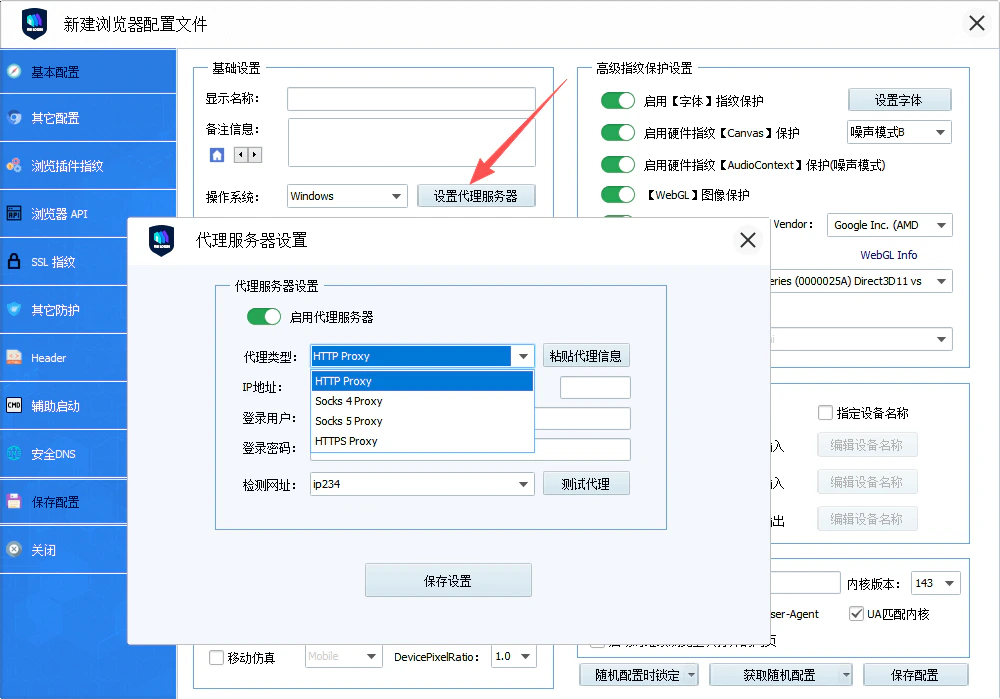
Step 5: Obtain Ip2up Proxy Information
Log in to the Ip2up Proxy Platform, go to the Static Residential Proxy page, click IP List and view and copy your proxy details (server address, port, username, and password).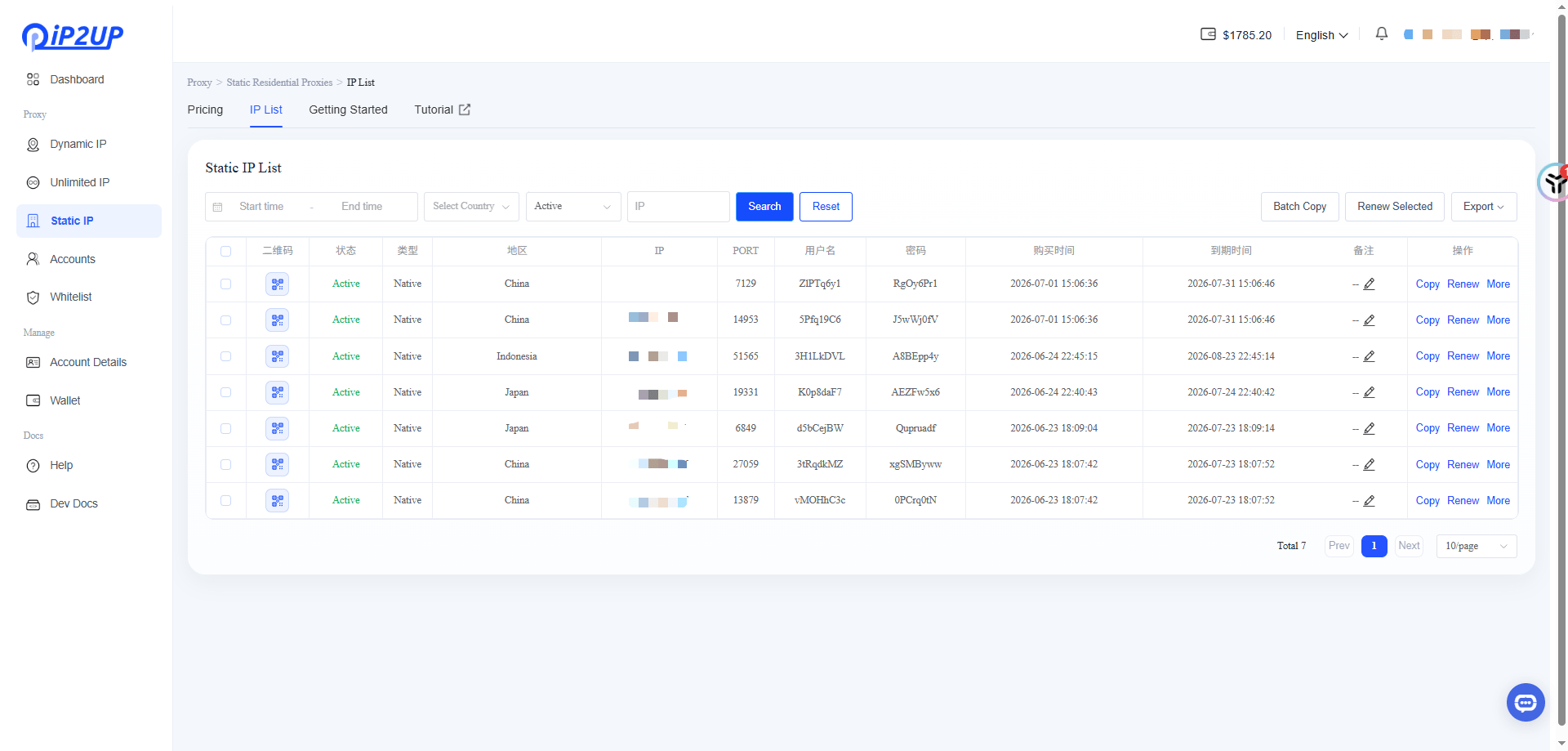
Step 6: Enter Proxy Information
Paste the copied proxy information into the corresponding input fields in the VMLogin proxy settings.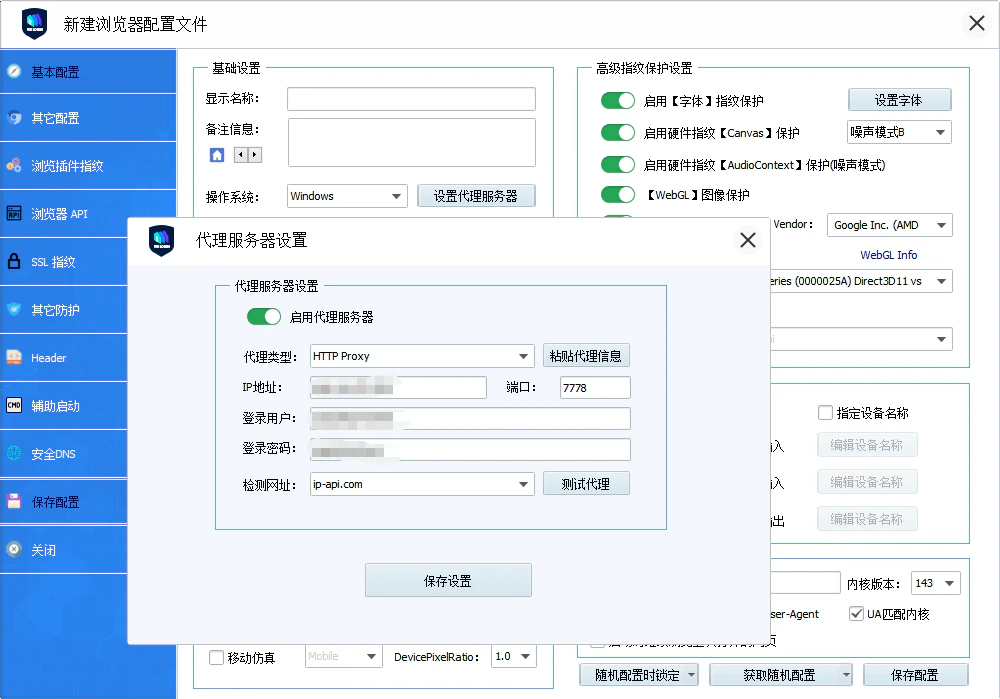
Step 7: Test Proxy Connectivity
After completing the entries, click the “Test Proxy” button. The system will automatically check the proxy IP connectivity. If “Proxy test successful” is displayed, the configuration is correct.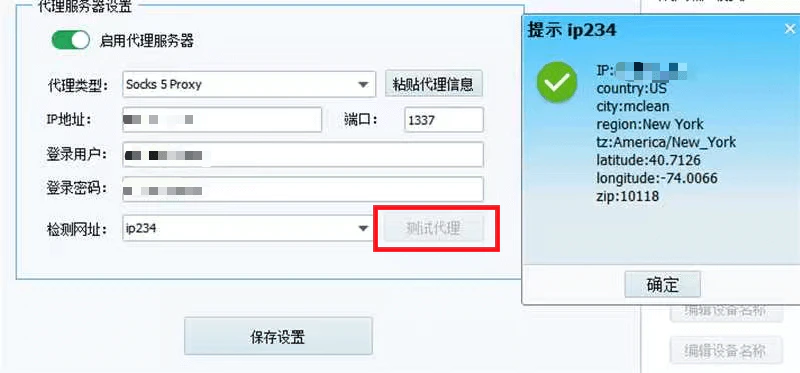
Step 8: Launch the Browser Environment
Return to the profile list, locate the profile you just created, and double-click the entry or click the “Launch” button to open the browser.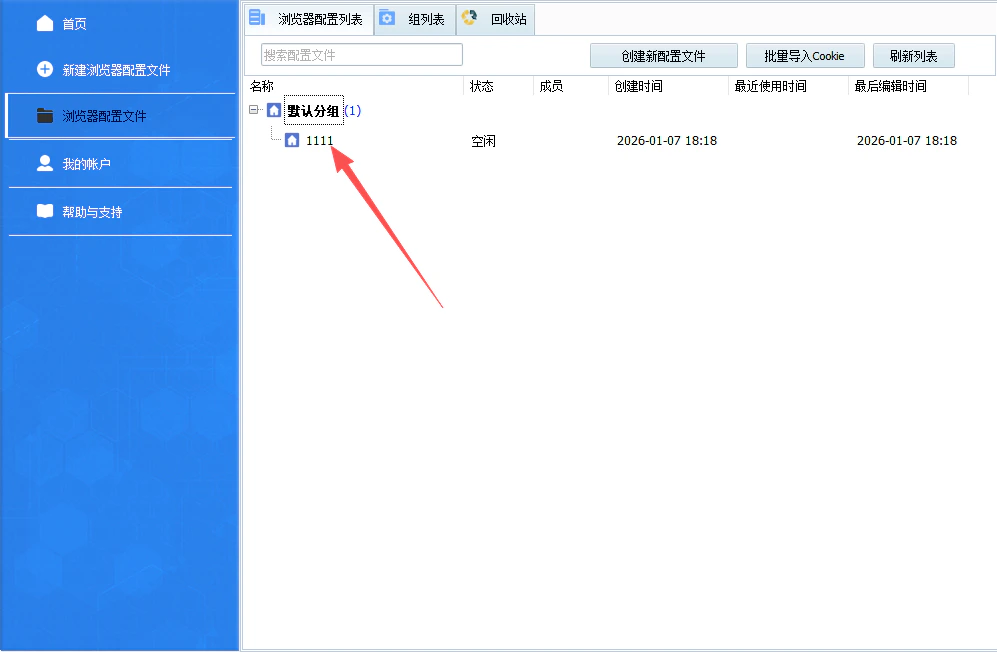
Step 9: Verify the Proxy IP
In the opened browser, visit an IP checking website to confirm that the displayed IP address matches the proxy IP provided by Ip2up.